
Tech
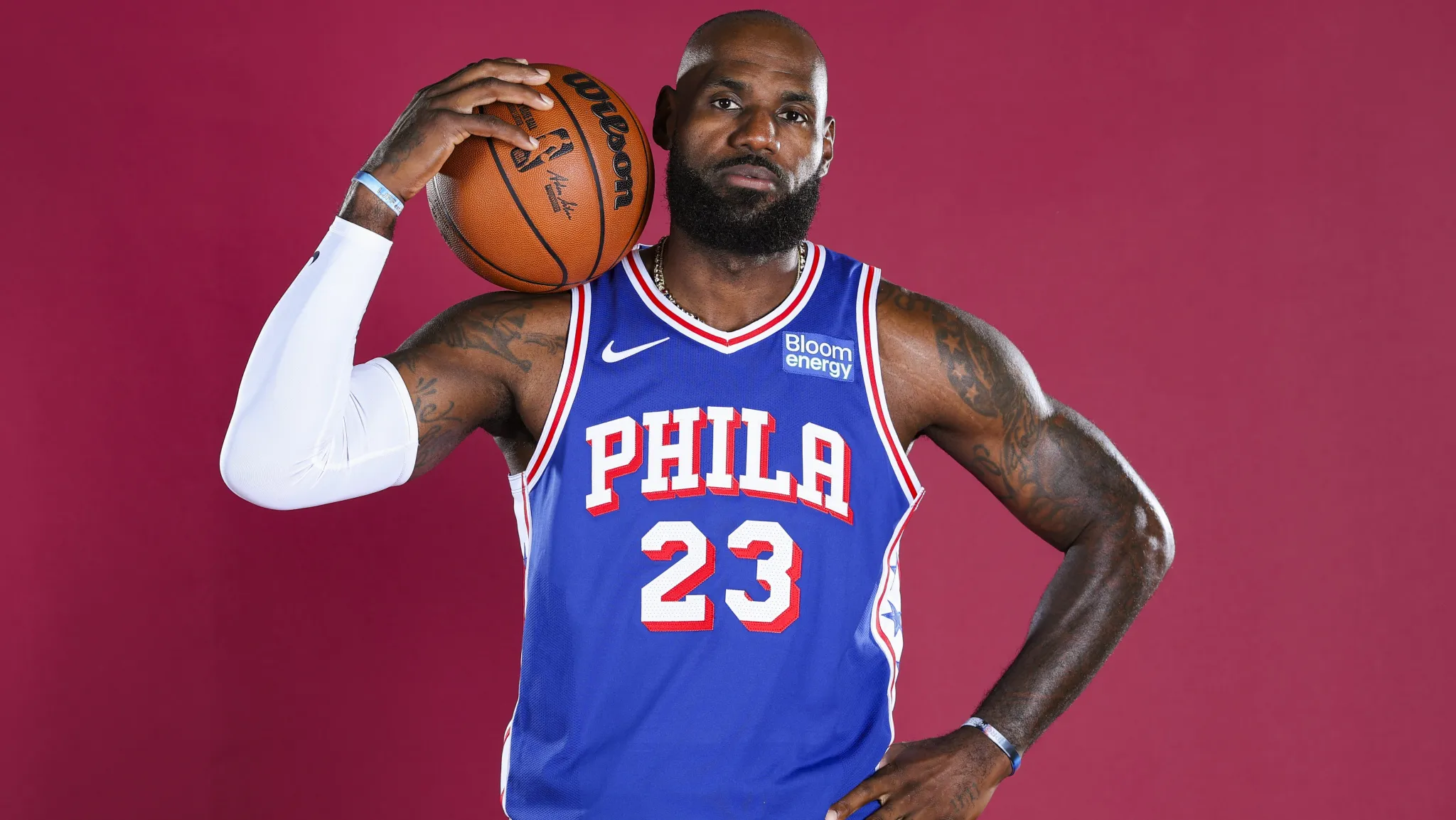
LeBron James Sues AI Betting Platform Over Unauthorized Digital Replica










Entertainment19 hours ago
Record-Breaking GTA 6 Sales Clash with Rockstar’s Emerging AI Hurdles

Music19 hours ago
Cam’ron Returns with Uplifting Anthem ‘Optimistic’ and Official Music Video

News19 hours ago
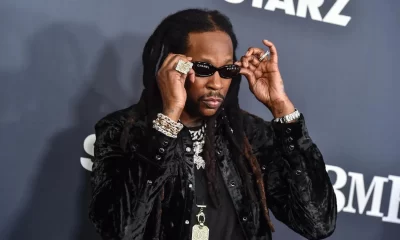
2 Chainz Suffers Broken Ribs in Atlanta Cybertruck Crash Ahead of New Album Release

Music Videos2 years ago
2 Chainz Shares “The ATL Experience” with The Isley Brothers In New Video

Music2 years ago
Knowledge the Pirate’s New Album ‘The Round Table’ Prod. by Roc Marciano (Album Review)

Music Videos2 years ago
New Video: Benny The Butcher & Harry Fraud release visuals for “Sign Language”


-
 Music Videos2 years ago
2 Chainz Shares “The ATL Experience” with The Isley Brothers In New Video
-
 Music2 years ago
Knowledge the Pirate’s New Album ‘The Round Table’ Prod. by Roc Marciano (Album Review)
-
 Music Videos2 years ago
New Video: Benny The Butcher & Harry Fraud release visuals for “Sign Language”
-

 Entertainment2 years ago
Rihanna Is Pregnant! Singer Reveals She’s Expecting Baby No. 3 with A$AP Rocky
-

 Music Videos2 years ago
New Video: Travis Scott Launches JACKBOYS 2 Era With Cinematic Teaser
-

 News2 years ago
Nas is heading back to Sin City this Summer with The Las Vegas Philharmonic
-

 Music2 years ago
Westside Gunn Goes Bar for Bar With Doechii on “Egypt” Remix
-

 News2 years ago
Rome Streetz & Conductor Williams Join Mass Appeal